
Disclaimer
This blog post is for informational purposes only and should not be considered as medical advice. It is designed to help you understand common male genital health issues, their symptoms, and when to seek professional medical consultation. Every individual’s health situation is unique, and any concerns or symptoms you experience should be discussed with a qualified healthcare professional. Please consult with your doctor, urologist, or andrologist in Guduvanchery, Tambaram, or Chennai before making any decisions about treatment or procedures. Do not delay in seeking professional medical advice if you suspect you have a genital health problem.
Understanding Male Genital Surgery
Male genital surgery encompasses a range of medical procedures designed to address various health issues affecting the male reproductive system and genitalia. These surgeries are performed to restore function, alleviate pain, correct anatomical abnormalities, or treat infections and diseases. Understanding the common reasons why men might need genital surgery, recognizing the symptoms that warrant medical attention, and knowing when to reach out to a qualified urologist or andrologist are essential for maintaining good male reproductive health.
Common Causes of Male Genital Health Issues
Male reproductive health problems can arise from many different sources. Injuries and trauma to the genital area during sports, accidents, or sexual activity can damage the delicate tissues and structures, sometimes requiring surgical intervention to prevent long-term complications. Congenital conditions present from birth, such as hypospadias (where the urinary opening is not at the tip of the penis), may require surgical correction to ensure normal urinary and sexual function.
Infections represent another significant category of genital health concerns. Sexually transmitted infections, commonly referred to as STIs, can affect various parts of the male reproductive system and may require medical treatment. These infections can include chlamydia, gonorrhea, herpes, syphilis, and other organisms that compromise genital health. In addition to sexually transmitted infections, other bacterial or fungal infections can cause inflammation of the penis head (a condition called balanitis), foreskin inflammation, or infection of the urethra or other reproductive organs.
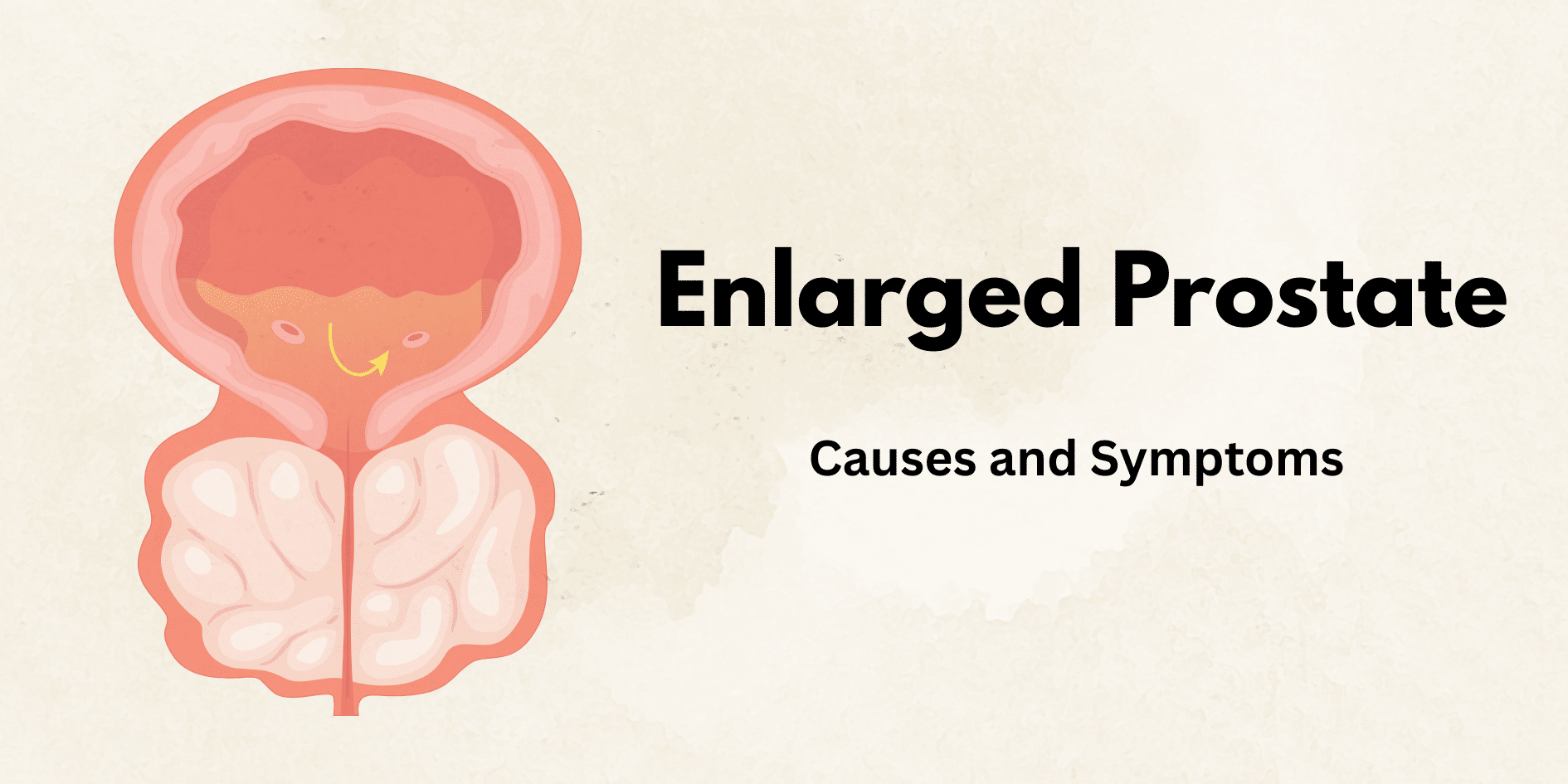
Hormonal imbalances and aging can lead to conditions such as erectile dysfunction, where the penis cannot achieve or maintain an erection sufficient for sexual activity. Over time, the prostate gland may enlarge, causing difficulty with urination and other uncomfortable symptoms. Peyronie’s disease, where scar tissue forms within the penis causing it to curve abnormally during erections, can develop due to injury, sexual trauma, or in some cases for reasons not yet fully understood. This condition can make sexual intercourse painful or difficult.
Vascular and circulatory problems affecting blood flow to the genital area can contribute to erectile dysfunction and other sexual health issues. Additionally, anatomical variations such as phimosis (a tight foreskin that cannot be retracted) or paraphimosis (a foreskin that becomes stuck in a retracted position) may require surgical correction to prevent complications and restore comfortable sexual and urinary function.
Recognizing Key Symptoms: When Your Body Sends Warning Signals
Being aware of symptoms that affect your genital health is crucial for early detection and treatment of underlying conditions. Pain during urination is one of the most common warning signs that something may be wrong. This could indicate an infection in the urethra (the tube through which urine passes), a sexually transmitted infection, or inflammation from various causes. Similarly, pain or discomfort during ejaculation or sexual intercourse should not be ignored, as it may signal an underlying condition that requires medical evaluation.
Unusual discharge from the penis is another important symptom to watch for. Normal male genital health should not involve discharge, so any discharge—whether it appears clear, white, yellow, green, or has an unusual odor—warrants a visit to your doctor. Such discharge can be a sign of urethritis, sexually transmitted infections, or other inflammatory conditions affecting the reproductive organs. The color and consistency of discharge can sometimes provide clues about the underlying cause, but only a healthcare professional can properly diagnose the condition.
Genital itching, redness, swelling, or inflammation can result from various causes including fungal infections, allergic reactions, sexually transmitted infections, or conditions like balanitis. While some cases may be mild and self-limiting, persistent itching or visible inflammation should be evaluated by a urologist or andrologist to determine the cause and appropriate treatment. These symptoms can significantly impact your quality of life and sexual comfort, making professional evaluation important.
Lumps, bumps, blisters, sores, or skin growths on the penis, scrotum, or surrounding genital area should always be brought to the attention of a healthcare professional. These could represent various conditions ranging from benign skin growths to sexually transmitted infections to more serious concerns. Any visible change in the appearance of your genitals that represents a departure from your normal anatomy deserves professional evaluation.
Testicular or scrotal pain and swelling can indicate several different conditions. Pain in the testicles or scrotum can result from infections of the epididymis (a tube that stores and transports sperm), trauma, enlarged veins within the scrotum (called varicoceles), or in some cases, more serious conditions. While not every instance of testicular discomfort requires emergency care, any significant or persistent pain should be evaluated by a healthcare professional.
Changes in urinary function are important symptoms to monitor. Difficulty urinating, a weak or slow urine stream, inability to empty the bladder completely, blood in the urine, or an urgent need to urinate frequently can all indicate problems ranging from urinary tract infections to enlarged prostate to urethral strictures (narrowing of the urethra). Any noticeable change in your normal urination pattern should prompt a conversation with your doctor.
Sexual dysfunction, including erectile dysfunction (difficulty achieving or maintaining an erection), premature ejaculation, delayed ejaculation, or decreased sexual desire, can be caused by physical health conditions, hormonal imbalances, medications, or psychological factors. These conditions significantly impact quality of life and relationships, and modern medicine offers effective approaches to help. If you’re experiencing sexual dysfunction, know that you’re not alone and that professional help is available.
Visible curvature or bending of the penis during erections, especially if it’s a recent change or accompanied by pain, may indicate Peyronie’s disease. This condition develops when scar tissue forms in the penile tissues, causing the penis to bend abnormally. While some men naturally have a slight curve to their penis, significant or new-onset curvature should be evaluated by a urologist to determine if treatment is needed.
When Should You Reach Out to a Doctor?
Understanding when to seek professional medical advice is essential for protecting your male genital health. If you experience any of the symptoms mentioned above, don’t hesitate to contact your primary care physician or seek a referral to a urologist or andrologist. In areas like Guduvanchery, Tambaram, and Chennai, there are qualified urologists and andrologists available to provide expert evaluation and care for male genital health issues. Searching for terms like “urologist near me,” “best urologist in Guduvanchery,” “andrologist in Chennai,” or “urologist in Tambaram” can help you locate qualified healthcare professionals in your area.
The sooner you seek professional evaluation, the better the chances of early diagnosis and successful treatment. Many male genital health conditions are more effectively treated when caught early, before they progress or cause additional complications. Delaying a visit to your doctor can sometimes allow a treatable condition to worsen, potentially affecting your fertility, sexual function, or overall quality of life.
If your symptoms are accompanied by fever, chills, or signs of spreading infection (such as increasing pain, redness, swelling, or pus drainage), you should seek medical attention more promptly. These signs may indicate an infection that requires treatment to prevent serious complications. Similarly, if you experience sudden, severe pain in your testicles, a popping or snapping sensation in the genital area, severe penile trauma with bleeding, or a painful erection that won’t go away (priapism), these are signs that you need immediate medical attention. Some of these conditions, like testicular torsion, are medical emergencies requiring evaluation and treatment within a narrow window of time to prevent permanent damage.
Men who notice any changes in their genital appearance, experience pain or dysfunction, or have concerns about their sexual health should feel empowered to seek professional evaluation. Many men feel embarrassed or uncomfortable discussing genital health issues, but urologists and andrologists are medical professionals trained to handle these concerns with professionalism and discretion. They understand that these are legitimate health matters and are there to help you maintain and restore your health and quality of life.
The Importance of Professional Medical Evaluation
While this blog post provides general information about male genital surgery and related health issues, it’s important to understand that each person’s situation is unique. The information here is meant to help you understand what might be happening and recognize when you should see a doctor, not to replace professional medical diagnosis or treatment. A qualified urologist or andrologist will perform a thorough physical examination, ask detailed questions about your symptoms and medical history, and may order additional tests to reach an accurate diagnosis.
Treatment options for male genital conditions vary widely depending on the specific diagnosis, the severity of the condition, your overall health, and your personal preferences. Some conditions resolve on their own or respond to conservative medical management, while others may require surgical intervention. Only a healthcare professional can properly evaluate your situation and recommend the most appropriate course of action. If you’re located in areas such as Guduvanchery, Tambaram, or Chennai and need male genital surgery consultation, there are experienced urologists and andrologists ready to provide expert guidance.
Taking the First Step
If you’re experiencing any symptoms related to male genital health—whether it’s pain during urination, unusual discharge, erectile dysfunction, testicular discomfort, visible changes in genital appearance, or any other concern—remember that you don’t have to suffer in silence. Seeking professional medical advice is a sign of taking responsibility for your health, not a cause for shame or embarrassment. Medical professionals who specialize in urology and andrology are experienced in managing a wide range of male reproductive and urinary health conditions.
Start by making an appointment with your primary care doctor, who can perform an initial evaluation and refer you to a specialist if needed. If you’re looking for specialized care, search for a qualified urologist or andrologist in your area. Whether you’re in Guduvanchery, Tambaram, Chennai, or elsewhere, qualified healthcare professionals are available to help. Don’t delay seeking help if your symptoms are severe, worsening, or affecting your quality of life. Early intervention often leads to better outcomes and can prevent complications.
Your male reproductive and urinary health is an important part of your overall well-being and quality of life. If you have concerns, symptoms, or questions about male genital health, reach out to a qualified healthcare professional today. They are there to help you understand your condition, discuss your treatment options, and guide you toward the best possible outcomes for your health and comfort.