Disclaimer: The following content is intended for informational purposes only and does not constitute medical advice, diagnosis, or treatment. Always seek the advice of your physician or other qualified health provider with any questions you may have regarding a medical condition. Do not disregard professional medical advice or delay in seeking it because of something you have read in this post.
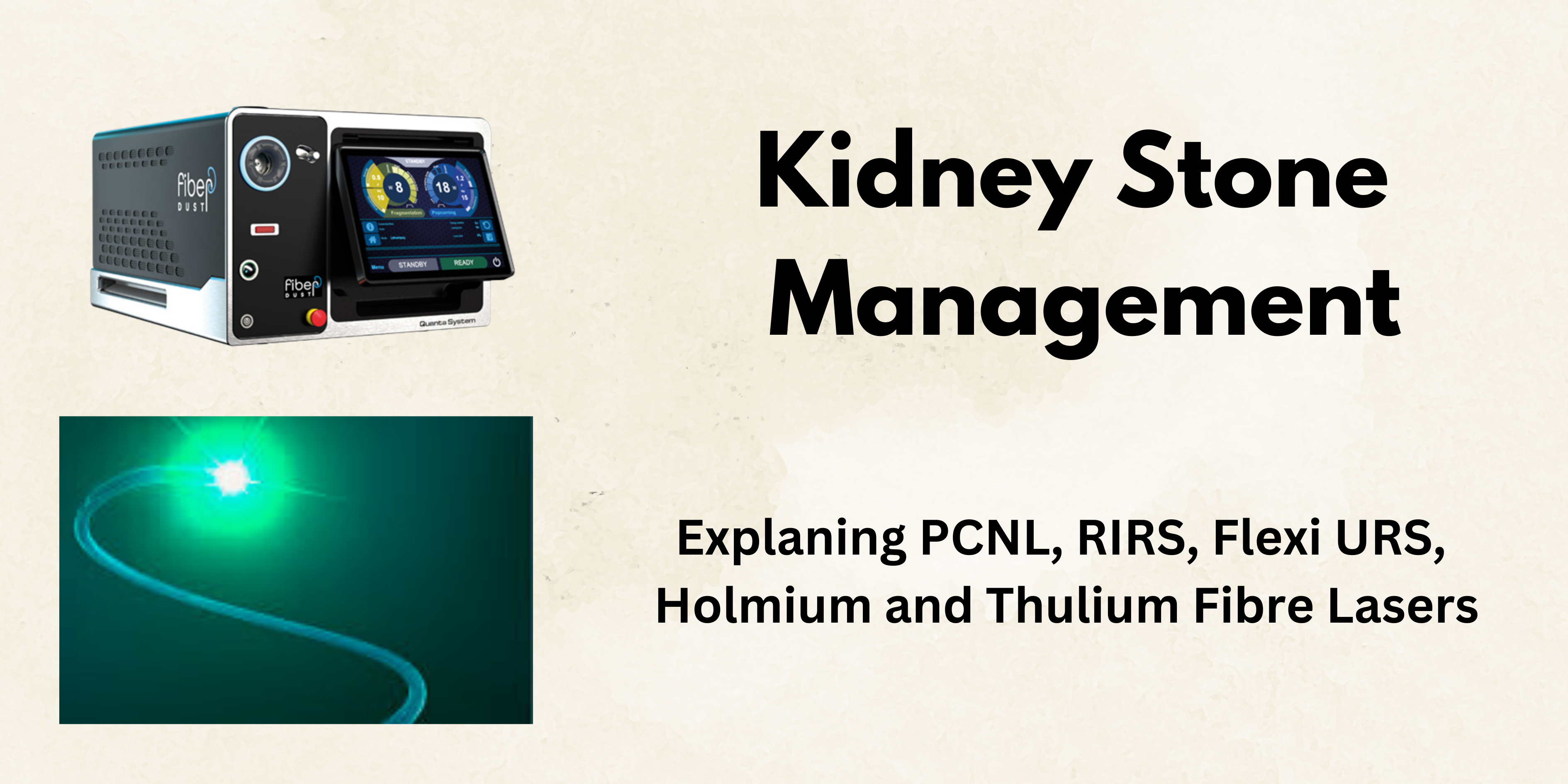
Kidney stones are hard deposits made of minerals and salts that form inside your kidneys, often causing what many describe as the most severe pain they have ever experienced. While the condition is ancient, the technology used to manage it has evolved significantly in recent years. Today, open surgery is rarely needed thanks to advanced minimally invasive techniques. One of the most prominent advancements is RIRS, or Retrograde Intrarenal Surgery, which allows doctors to remove stones from the kidney without any external cuts. This is done using a flexible ureteroscope that passes through the natural urinary passage. A similar term you might hear is Flexi URSL, which generally refers to using a flexible instrument to treat stones located in the ureter or kidney, ensuring that even difficult-to-reach stones can be fragmented and removed safely.
For larger stones that cannot be managed through the urinary tract alone, PCNL, or Percutaneous Nephrolithotomy, remains the gold standard. This technique involves making a tiny keyhole incision in the back to directly access and remove large volume stones from the kidney. It is highly effective for clearing significant stone burdens in a single session. These procedures are often powered by laser technology, which has also seen a major leap forward. The traditional Holmium laser has been the workhorse of laser stone surgery for years, capable of breaking stones of all hardness. However, the newer TFL laser, or Thulium Fiber Laser, is gaining popularity for its ability to dust stones into fine powder much faster and with less retropulsion, meaning the stone doesn’t bounce away during the procedure. This often leads to shorter operative times and quicker recovery for patients.
Understanding what causes these stones is just as important as knowing how to treat them. Kidney stones often have no single, definite cause, but several factors may increase your risk. They form when your urine contains more crystal-forming substances—such as calcium, oxalate, and uric acid—than the fluid in your urine can dilute. At the same time, your urine may lack substances that prevent crystals from sticking together, creating an ideal environment for kidney stones to form. Dehydration is a primary culprit, as not drinking enough water leads to concentrated urine. Diet also plays a role; high intake of salt, sugar, and animal protein can boost your risk. In some cases, stones can form in the bladder as well, known as a bladder stone, which can cause its own set of uncomfortable symptoms.
The symptoms of a kidney stone can be alarming. You might experience severe, sharp pain in the side and back, below the ribs, which can radiate to the lower abdomen and groin. This sensation is often referred to as stone pain and can come in waves, fluctuating in intensity. Other warning signs include pink, red, or brown urine, cloudy or foul-smelling urine, and a persistent need to urinate. Nausea and vomiting are also common when the pain is intense. If you experience fever and chills along with these symptoms, it could indicate an infection, which is a medical emergency.
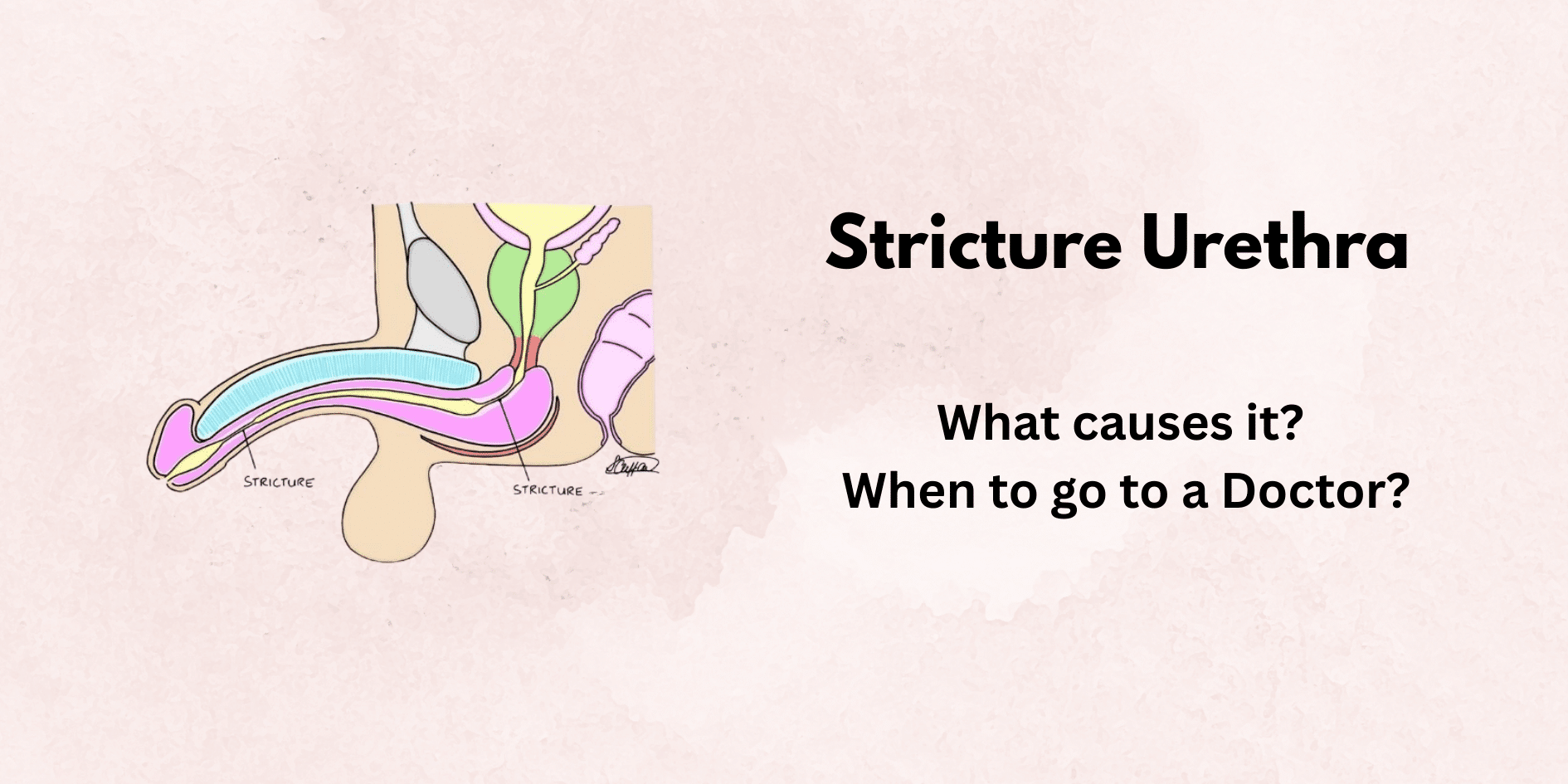
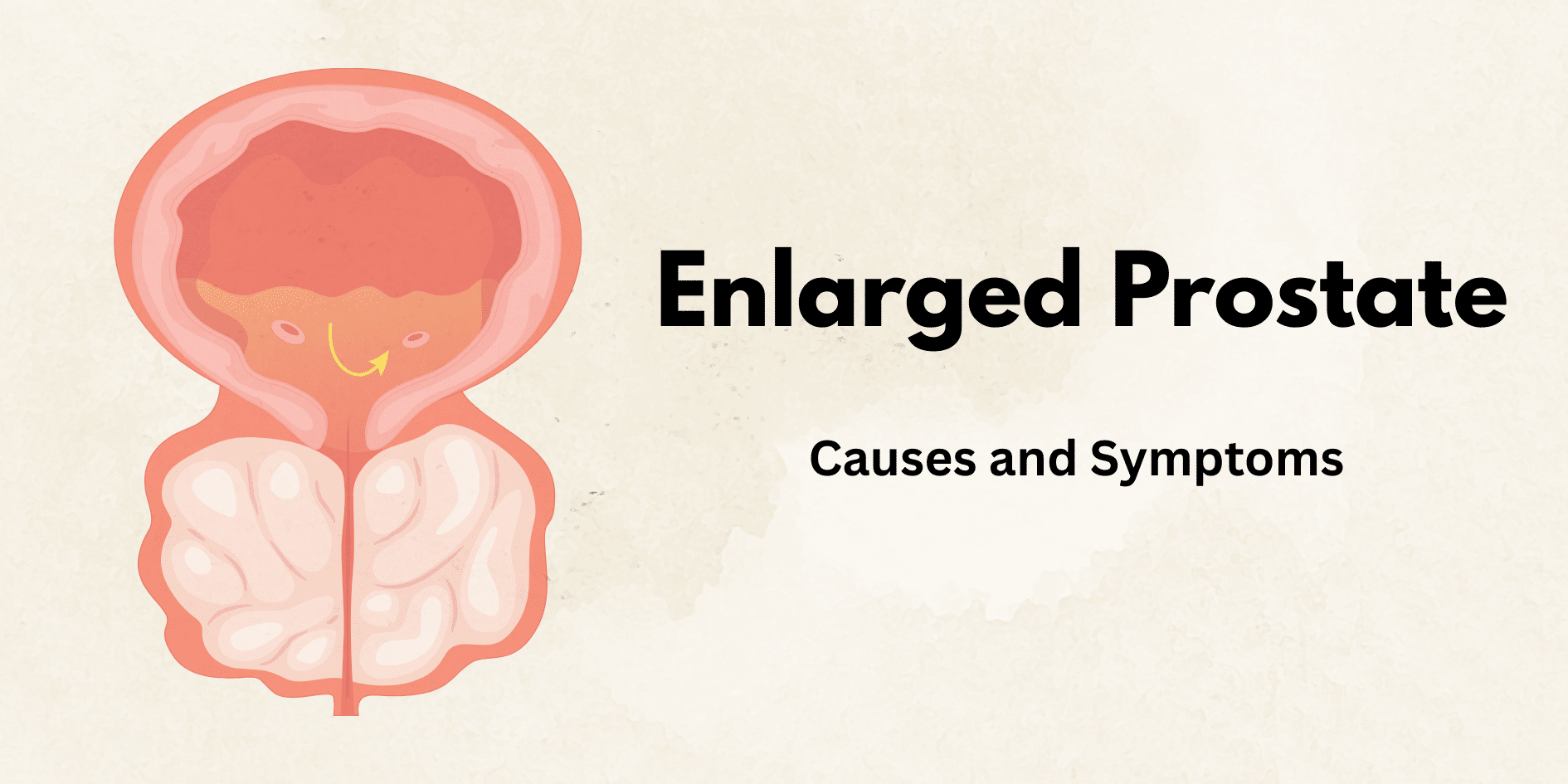
It is crucial to know when to seek professional help. If you have pain so severe that you cannot sit still or find a comfortable position, or if you notice blood in your urine, you should reach out to a doctor immediately. Sometimes, urinary symptoms might not be due to a stone but could point to other conditions like an enlarged prostate, especially in older men. Symptoms such as a slow urine stream, difficulty starting urination, straining to void, or a weak flow that stops and starts should not be ignored. Frequent waking up at night to urinate is another common sign that requires evaluation.
For those residing in the Chennai region, finding the right specialist is the first step toward relief. Whether you are looking for a urologist in Guduvanchery, a urologist in Tambaram, or a broader search for a urologist in Chennai, there are experts available to help diagnose and treat these conditions. Many of these specialists also practice as an andrologist in Chennai or andrologist Guduvanchery, covering a wide range of male health issues. Instead of attempting to manage severe symptoms at home, reach out to a urologist who can provide a proper diagnosis and guide you toward the most appropriate management plan for your specific situation.