
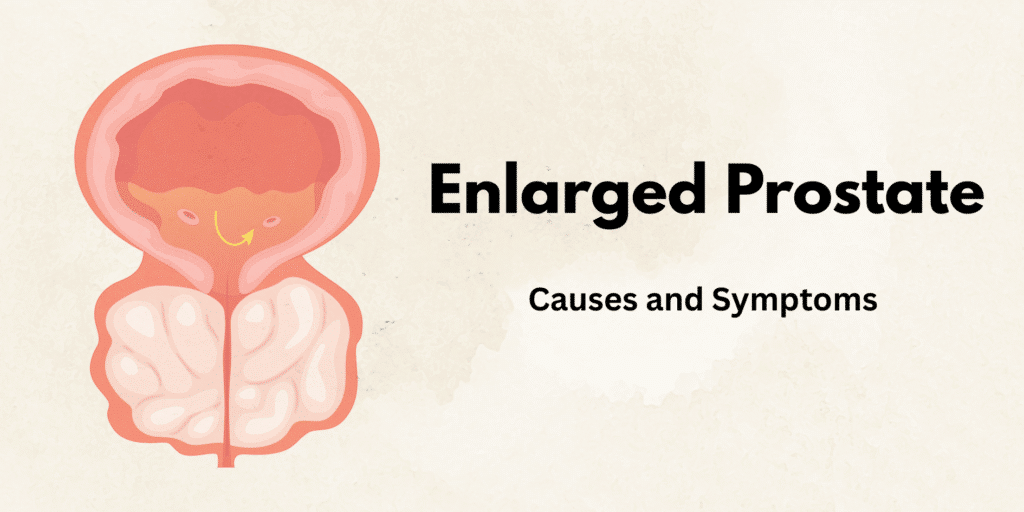
As men get older, the prostate gland can grow larger, a condition widely known as benign prostatic hyperplasia or BPH for short. The prostate is a small gland that sits just below the bladder and surrounds the urethra, which is the tube that carries urine out of the body. When this gland becomes an enlarged prostate, it can begin to squeeze or pinch the urethra, which may cause a slow urine stream or other bothersome urinary issues. It is important to know that BPH is not the same as prostate cancer and does not increase your risk for cancer, but the symptoms can be quite similar, so getting checked is essential.
Doctors and researchers are not entirely sure why the prostate grows as men age, but it is generally believed to be linked to natural hormonal changes that occur over time. For most men, the prostate grows throughout their life, but it typically only causes problems later in life, often affecting men over the age of fifty. Factors such as family history might also play a role, meaning if your father or brother had problems with prostate enlargement, you might be more likely to have them as well. Some research suggests that obesity and other health conditions like diabetes could contribute to the issue, but aging remains the most common factor associated with this condition.
The symptoms of BPH tend to start gradually and can worsen over time if left unchecked. Because the enlarged gland presses on the urethra, the bladder has to work harder to push urine out, which can eventually weaken the bladder muscles. You might notice a frequent need to urinate, especially needing to get up multiple times at night, which is a common complaint. Other signs include straining to void, where you have to push to start the flow, or a stream that starts and stops. Some men experience dribbling at the end of urination or feel that they cannot fully empty their bladder. If you find yourself rushing to the bathroom with a sudden urge that is hard to control, this could also be a sign of prostate enlargement.
Knowing when to see a doctor is critical for maintaining good urinary health and quality of life. You should reach out to a professional if you are unable to pass urine at all, as this is a medical emergency that requires immediate attention. Blood in the urine, pain during urination, or frequent urinary tract infections are also reasons to seek help right away. Even if your symptoms are mild but bother you enough to disrupt your daily routine or sleep, it is worth discussing them with a specialist. Early diagnosis can help manage the condition effectively and rule out other serious issues like prostate cancer.
Treatment for an enlarged prostate varies depending on how severe the symptoms are and how much they bother you. In some cases, simple lifestyle changes or monitoring the condition might be enough, while other situations may require medication or procedures. It is best to avoid self-medicating and instead consult with a qualified specialist who can guide you through the options. A doctor can perform specific tests to see how much the gland has grown and what the best course of action is for your specific situation.
If you are experiencing any of these issues, finding the right specialist is the first step toward relief. For those living in specific localities, finding a urologist in Guduvanchery or a urologist in Tambaram can provide convenient access to care. Many patients also look for a broader range of options by searching for a urologist in Chennai or an andrologist in Chennai for specialized male health concerns. Whether you need a general urologist or a specific andrologist guduvanchery specialist, it is important to consult a certified professional who can properly evaluate signs like a slow urine stream or straining to void. Do not hesitate to book an appointment if you suspect you have BPH, as timely advice from a trusted doctor is the best way to handle prostate health.