Disclaimer: This article is for informational purposes only and should not be considered medical advice. The content is designed to provide general education about urethral stricture disease. It is essential to consult with a qualified urologist or andrologist before undergoing any diagnosis, treatment, or management plan. Every patient’s condition is unique, and only a healthcare professional who has examined you can provide personalized medical advice. If you experience symptoms related to urinary difficulties, pain while passing urine, or any other urological concerns, please reach out to your doctor or urologist immediately.
What is Urethral Stricture?
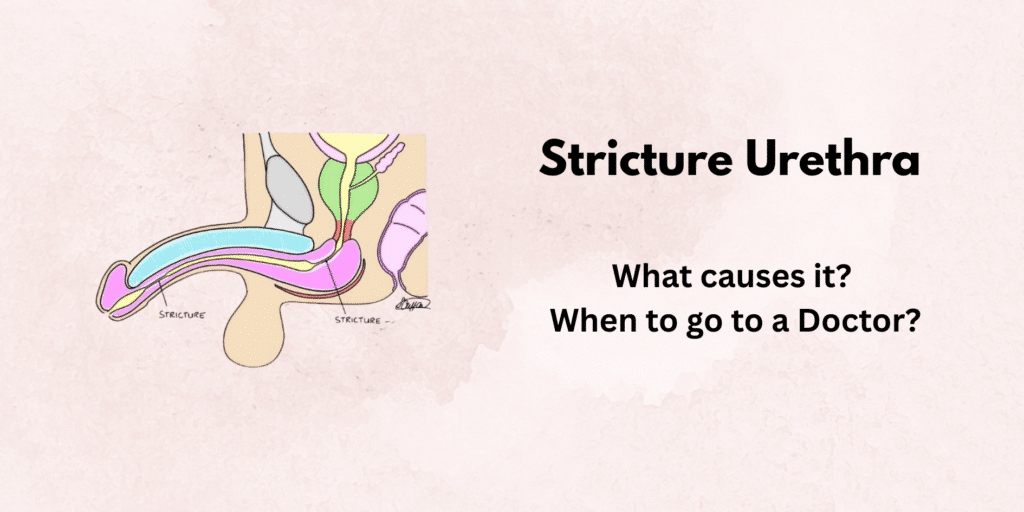
The urethra is the tube that carries urine from the bladder to the exterior of the body. A urethral stricture is a narrowing of this tube due to the development of scar tissue. When strictures form, they can restrict the normal flow of urine and create a bottleneck effect that prevents complete bladder emptying. The condition is far more common among men than women due to the anatomy and length of the male urethra, which makes it more susceptible to injury and scarring.
This narrowing of the urethral passage is a condition that results in many doctor visits, emergency room appointments, and hospital admissions every year. While it may not be immediately life threatening, urethral stricture disease can significantly impact your quality of life and lead to serious complications if left untreated. Understanding the causes, recognizing the symptoms, and knowing when to seek medical attention is crucial for maintaining urological health.
Common Causes of Urethral Stricture
Urethral strictures develop when inflammation or injury leads to scar tissue that narrows the urine channel. The causes are diverse and can be categorized into several groups. Injuries or trauma to the external genitalia, perineum, or pelvis represent a significant cause. A straddle injury, which occurs when the legs fall on either side of an object such as a bicycle crossbar or when someone falls directly on the perineum, is a particularly common type of trauma that can lead to stricture formation. Pelvic fractures can also cause strictures, particularly affecting the posterior urethra deeper inside the body.
Medical procedures involving the urinary tract are another major source of stricture development. Intermittent or long-term use of catheters can exert pressure on the urethra, causing injury to the urethral lining and leading to scar tissue formation. Transurethral procedures, prostate surgery, and other urological interventions can damage the delicate urethral tissues. Radiation therapy used to treat prostate, penile, or other pelvic cancers can also lead to stricture formation over time.
Infections play a significant role in stricture development, particularly sexually transmitted infections. Historically, recurrent gonococcal urethritis was a major cause of strictures, and while this has become less common in developed countries, chlamydia, tuberculosis, and other infections can still lead to post-inflammatory urethral narrowing. Recurrent urinary tract infections with bacteria such as Escherichia coli have been documented as a cause of strictures. Additionally, skin conditions like lichen sclerosus (balanitis xerotica obliterans) can cause inflammatory strictures affecting the urethral opening.
In many cases, the exact cause of urethral stricture remains unknown, a condition termed idiopathic. These strictures may result from unrecognized minor perineal trauma that occurs repeatedly over time, eventually leading to sufficient scarring to cause narrowing. Sometimes, no identifiable cause can be found despite thorough investigation, making prevention challenging for some patients.
Symptoms of Urethral Stricture: Recognizing the Signs
Urethral stricture symptoms typically revolve around reduced flow and difficult urination. As the passage narrows, pressure builds behind the tight spot, making passing urine uncomfortable and incomplete. Recognizing early warning signs matters significantly, because delays in seeking treatment increase the risk of urinary infections, bladder complications, and in severe cases, acute retention.
The hallmark sign of urethral stricture is a weak or slow urine stream. Patients often experience a slowing of their urinary stream as the urethra narrows, which is frequently the first symptom that something is wrong. This decreased flow of urine can make each trip to the bathroom take much longer than normal. Straining to pass urine is another common symptom, where patients must push or apply pressure to get the urinary stream started or to maintain it during urination. This effortful voiding is uncomfortable and exhausting.
Many patients experience pain or burning when passing urine, a condition medically known as dysuria. This occurs due to back pressure and irritation of the narrowed segment. The sensation can range from mild discomfort to more severe burning. A feeling of incomplete bladder emptying is extremely common, where patients feel that urine remains in the bladder even after they have finished urinating. This often leads to the need to return to urinate again shortly after, sometimes multiple times.
The urinary stream may spray or split into multiple directions instead of flowing in a single steady stream. Post-urination dribbling is frequent, where a few drops leak involuntarily after completing urination. Abdominal pain and penile swelling may occasionally occur in more severe cases. An increase in urinary frequency and urgency is typical, as the affected bladder becomes irritated and sensitive.
For many people, urethral stricture symptoms creep in gradually. Trips to the bathroom take longer because the stream is slow or weak. You may need to push to get started, and there can be a burning sensation as you pass urine. It is common to step away and feel you need to go again because the bladder has not fully emptied. The flow may spray or split with post-void dribbling. You might also notice going more often, feeling more urgency, occasional blood in the urine, and recurring episodes of urinary tract infection or pelvic discomfort.
Recurrent urinary tract infections are a significant consequence of urethral stricture. When the bladder cannot empty completely, stagnant urine trapped in the bladder creates an ideal environment for bacterial growth and infection. Repeated infections can cause additional damage and worsen symptoms.
When Should You Reach Out to a Doctor?
You should book an appointment with your general practitioner or urologist if you experience a persistently weak or slow urinary stream, need to strain when urinating, feel you are not emptying fully, notice spraying or post-void dribbling, experience pain or burning when passing urine, or have recurrent urinary tract infections. These symptoms, even if mild at first, warrant professional evaluation to determine the underlying cause.
If your symptoms keep returning or are progressively worsening, or if you have known risk factors such as previous catheterization or urological procedures, previous pelvic or straddle trauma, past sexually transmitted infections, prostate surgery, pelvic radiation therapy, or skin conditions like lichen sclerosus, ask your doctor for a referral to a urologist or andrologist. Early professional assessment can help distinguish urethral stricture from other conditions causing similar symptoms.
Seek same-day urgent medical care or visit an emergency department immediately if you cannot pass urine at all, even though you feel the need to urinate. This condition, known as acute urinary retention, is a medical emergency. Additionally, seek urgent care if you develop fever or feel systemically unwell along with urinary symptoms, as this may indicate a serious infection. Visible blood in the urine, especially if accompanied by clots, also warrants prompt medical evaluation.
Left untreated, urethral narrowing causes the body to retain urine, which can cause the bladder to become enlarged and damage the kidneys. Complete urinary blockage can lead to kidney damage and life-threatening infections. The longer strictures remain untreated, the greater the risk of permanent damage to your urinary system.
Distinguishing Urethral Stricture from Other Conditions
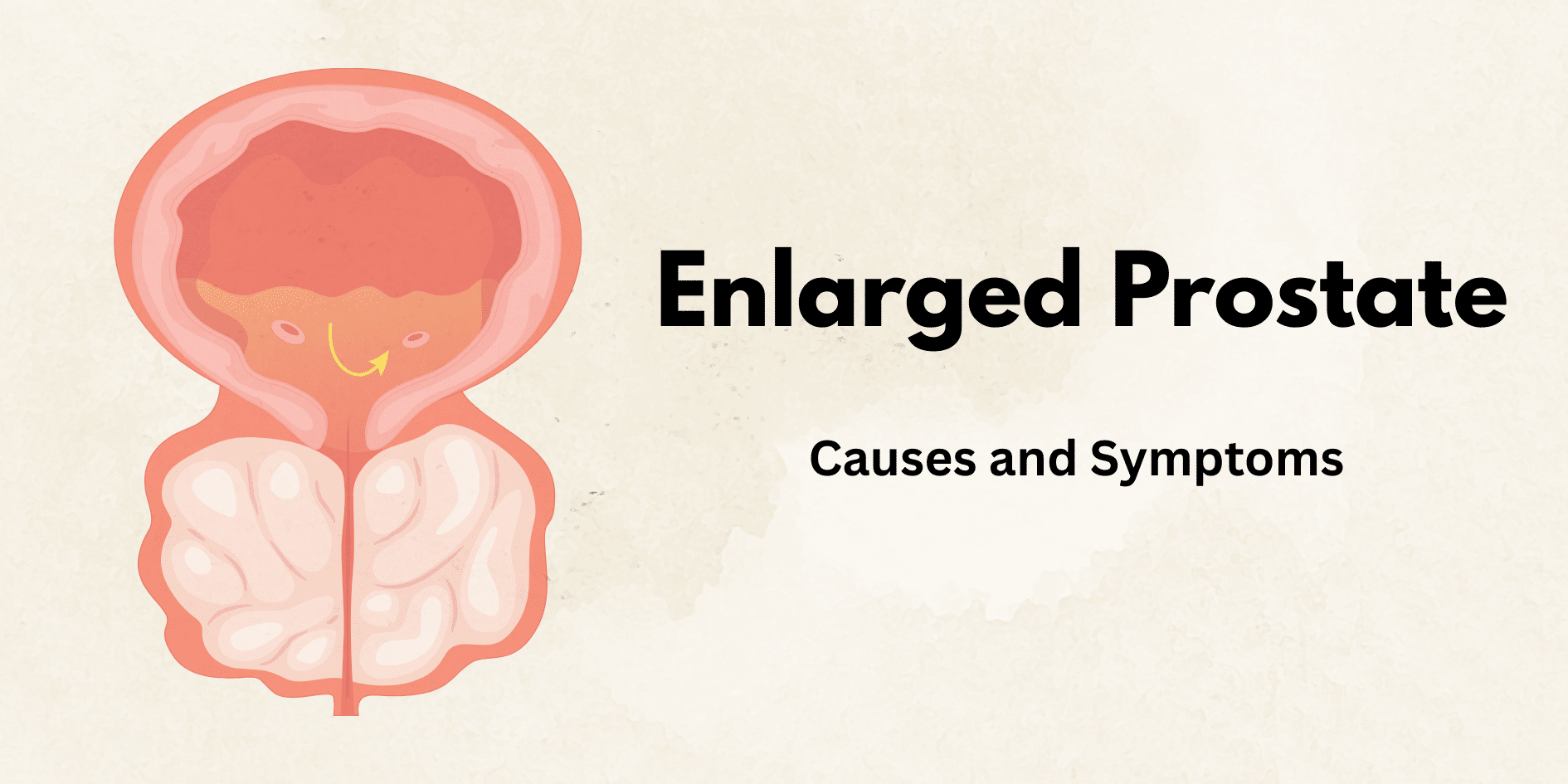
Several urinary problems can mimic urethral stricture symptoms, and it is important to get a proper assessment to determine the correct diagnosis. An enlarged prostate, medically known as benign prostatic hyperplasia or BPH, is very common in older men and can cause a weak stream, hesitancy, and incomplete bladder emptying that mirror stricture symptoms. However, enlarged prostate is a different condition requiring different management. A urinary tract infection can cause urgency, frequency, and burning sensations, which can be confused with stricture symptoms, but a simple urine test or culture helps distinguish infection from a blockage.
Prostatitis, or inflammation of the prostate, can cause pelvic or perineal pain with burning during urination and sometimes fever, which may occur alongside voiding symptoms. An overactive bladder causes urgency and frequency without a consistently weak stream that is characteristic of strictures. In women, strictures are sometimes incorrectly labeled as overactive bladder, which can delay proper diagnosis and treatment.
A proper evaluation by a urologist or andrologist is essential to accurately diagnose the cause of your symptoms and rule out other conditions that may require different treatment approaches.
Why Early Detection and Treatment Matter
If left untreated, a urethral stricture can cause serious complications that affect your overall health and kidney function. The obstruction prevents the bladder from fully emptying, which creates stagnant urine that cannot escape. This retained urine can cause the bladder to become enlarged and weakened over time. The bladder wall may become thickened and lose its ability to contract properly to expel urine. Eventually, this can lead to permanent changes in bladder function.
More critically, back pressure from blocked urine can damage the kidneys. When urine cannot flow freely from the kidneys through the ureters to the bladder and out through the urethra, it backs up into the kidneys, potentially causing irreversible kidney damage. This backup can lead to kidney disease and permanent loss of kidney function.
Recurrent urinary tract infections are common with strictures, as incomplete bladder emptying allows bacteria to multiply in stagnant urine. These infections can ascend to the kidneys, causing more serious pyelonephritis. In severe cases, untreated infections can lead to sepsis, a life-threatening systemic infection. The presence of obstructive symptoms coupled with repeated infections significantly increases morbidity and the risk of serious complications.
Bladder stones may form as minerals accumulate in stagnant urine remaining after voiding. These stones can cause additional pain, infection, and further obstruction. Chronic high-pressure retention, where the bladder operates under continuous pressure to overcome the obstruction, can cause permanent irreversible changes to bladder muscle function.
Fortunately, strictures are treatable conditions, especially when identified early. Prompt diagnosis allows your doctor or urologist to determine the location, length, and severity of the narrowing and discuss appropriate management options with you. Many patients with stricture disease can return to normal voiding patterns and enjoy excellent long-term outcomes when treatment is undertaken without undue delay.
Seeking Professional Urological Care
Your symptoms deserve careful evaluation by a qualified healthcare professional. If you are experiencing any combination of weak urinary stream, pain while passing urine, straining to pass urine, slow urine stream, urine retention or blocking, difficulty initiating urination, or recurrent urinary tract infections, schedule an appointment with a urologist or andrologist. These specialists have the expertise to evaluate your symptoms, perform appropriate diagnostic testing, and recommend the treatment approach best suited to your individual condition.
In many regions, including areas like Guduvanchery, Tambaram, and Chennai, qualified urologists and andrologists are available to provide comprehensive evaluation and care for urethral stricture disease. Whether you are in Guduvanchery looking for a specialized urologist or seeking an andrologist in Chennai, proper professional evaluation is the first step toward resolution of your urological concerns.
Do not delay seeking care if you notice persistent changes in your urinary function or experience the symptoms described in this article. Early professional intervention can prevent serious complications, preserve kidney function, maintain bladder health, and help you return to normal voiding patterns. Your urologist or andrologist can provide you with a detailed explanation of your condition, discuss treatment options suited to your specific situation, and guide you through the appropriate management plan.
Remember that urethral stricture is a condition that medical professionals know how to manage effectively. With proper diagnosis and treatment under the guidance of an experienced urologist, outcomes are typically excellent, and most patients experience significant improvement in their symptoms and quality of life.